BOBLME-2009-REG-5.0-IWS-15
Sisira Haputhantri
Indra Ranasinghe
Renuka Ranaweera
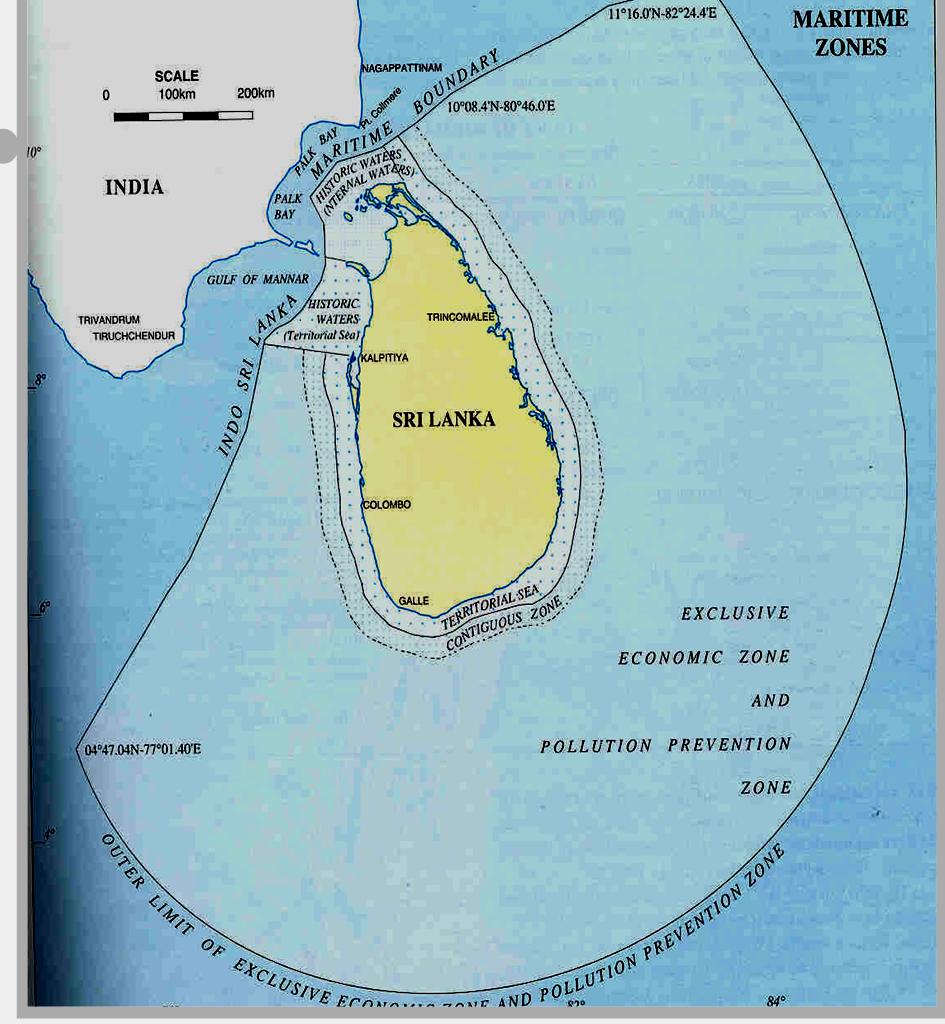
Maritime Zones of Sri Lanka
Coast Line: Length of about 1,700
km
Exclusive Economic Zone (EEZ):
537,000 km2 eight (8) times the
land area
Continental Shelf Area: Covers an
area of 44,250 km2 (8.2 % of
the
EEZ).
narrow,
rarely
extending beyond 32 km
Under UNCLOS, Sri Lanka stands to
gain a larger extended area of
the sea bed (23 times the land
area)
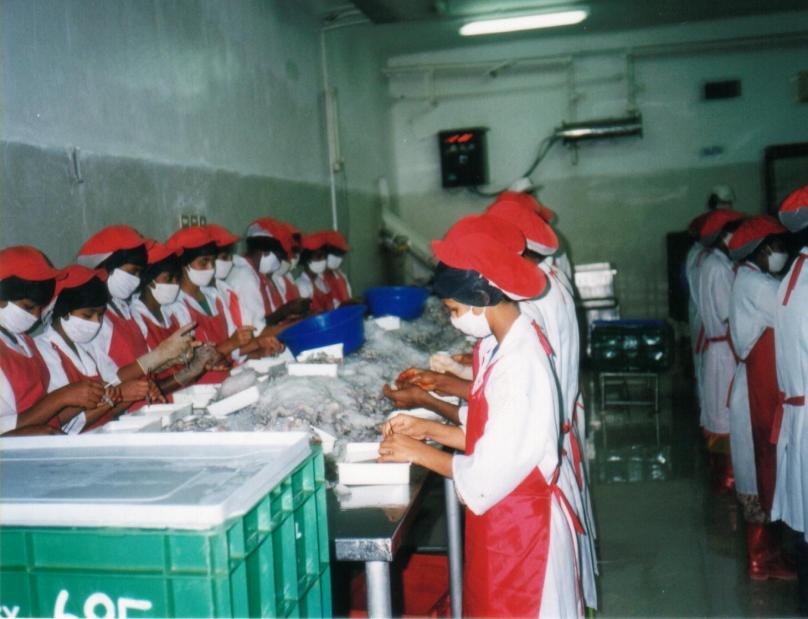
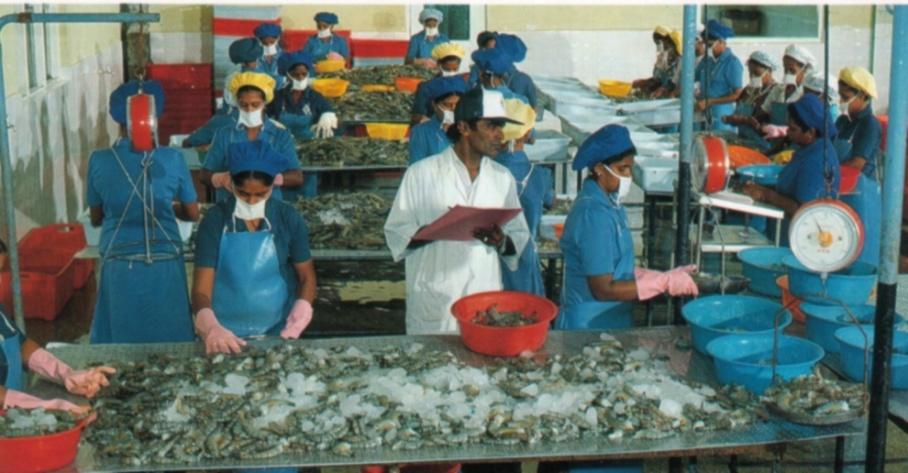
Overview of the Sri Lankan Fisheries
Fisheries sector in the economy
Contributes > 65% of the animal protein
consumed by the Sri Lankan population
(18.1% to total protein)
Total fish production in 2008 is around
319 120 Mt. Total marine fish
production 274 630 Mt
Contributes 1.5 % to GDP of the country
(2008)
Annual per capita availability of fish
and fishery products 17.5 - 18.5 kg.
Active fishers : About 150,000
Fisher population: 625,000
Provides employment to > 350,000
people
Foreign exchange - nearly US $ 175
million in 2008
Fisheries Sub-sectors
There are three main sub-sectors within the fisheries
sector,
coastal fisheries Single day
offshore/deep sea fisheries Multi-day
Inland fisheries and aquaculture
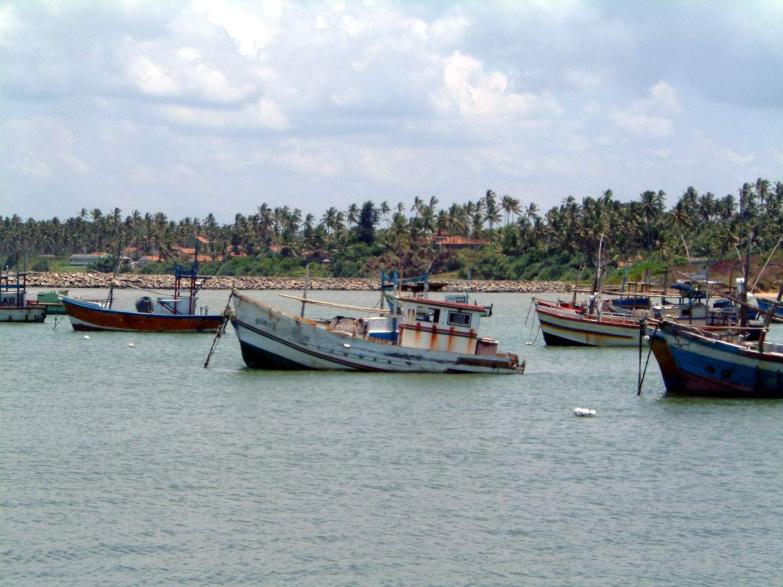
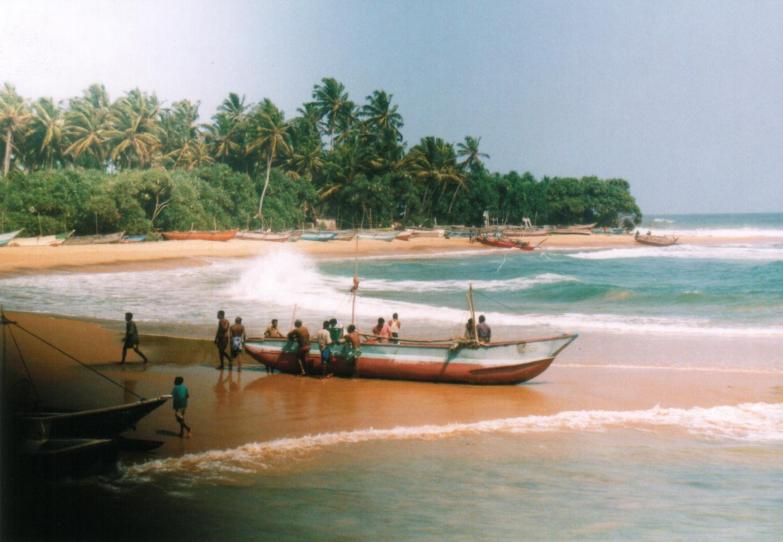
For analytical and management purposes marine fisheries are sub-divided
into 2 sub-sectors
Marine Fishery Resources
· Coastal fishery resources - on the
continental shelf and slope
the resources include, small, medium
and large pelagic finfish, demersal finfish
and invertebrates
· Offshore/deep sea resources beyond the
coastal areas within Sri Lankan EEZ and
high seas
Offshore resources are mainly finfish
resources: Tuna, sharks and billfishes
Sector wise fish production
350,000
300,000
Inland and
250,000
t
Aquaculture
n
i
n
o 200,000
ucti
Off shore/ deep sea
d
ro
150,000
p
h
s
i
F
100,000
Coastal
50,000
0
1980
1985
1990
1995
2000
2001
2002
2003
2004
2005 2006
2007 2008
Time
Developments that are relevant to the
BOBLME project
Coastal /marine living resources
management and sustainable use
Maintenance of ecosystem health
and management of pollution
Coastal /marine living resources management and
sustainable use
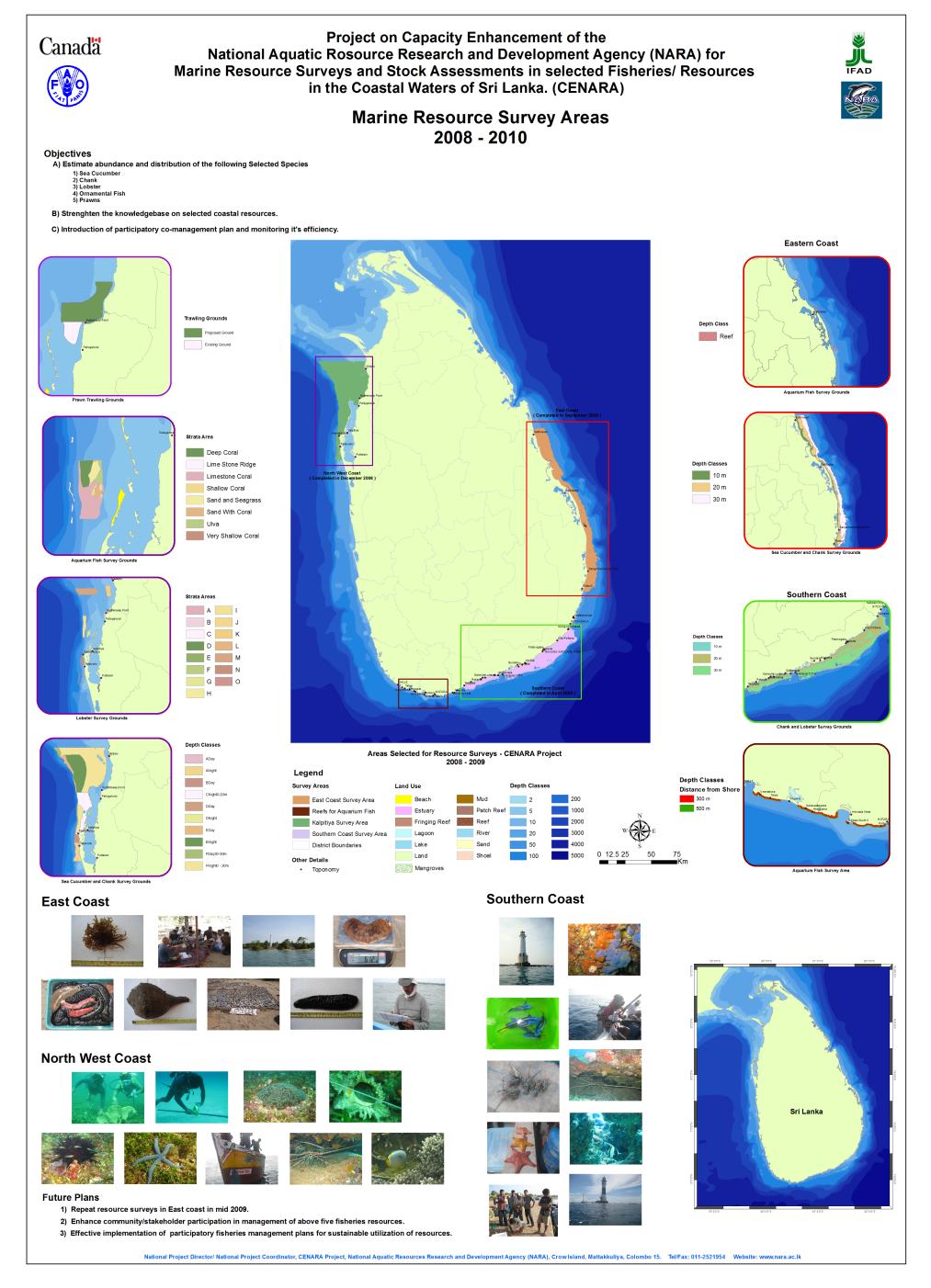
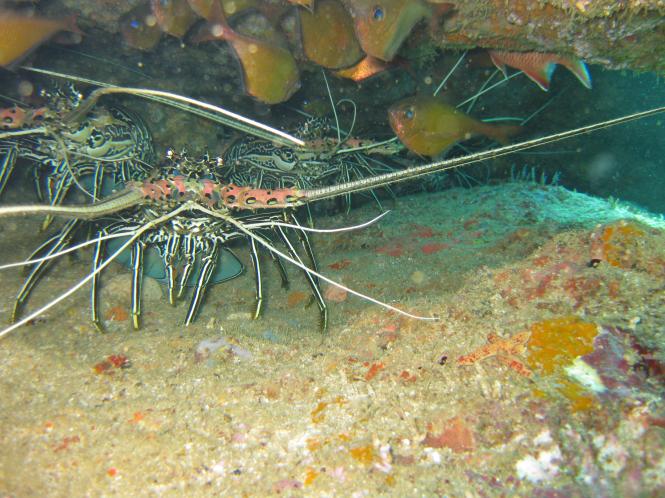
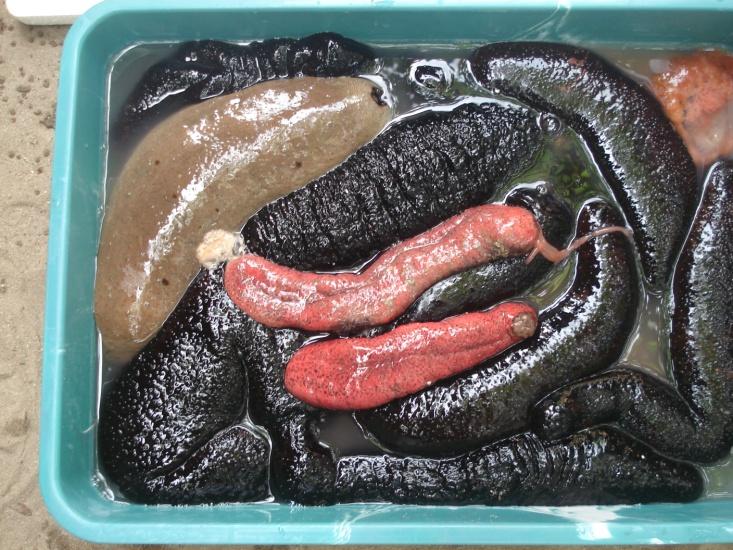
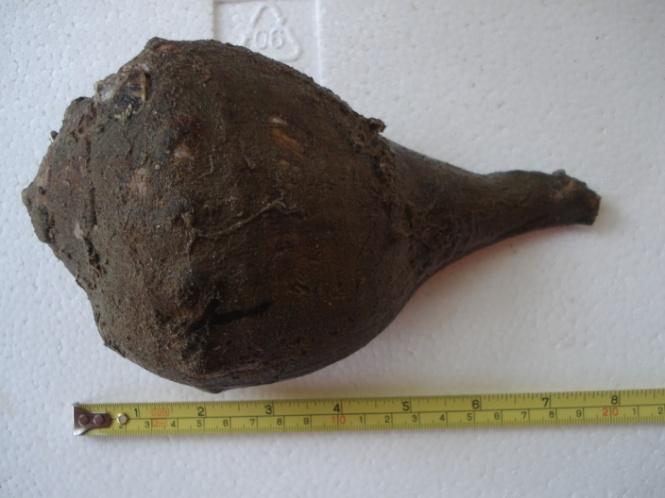
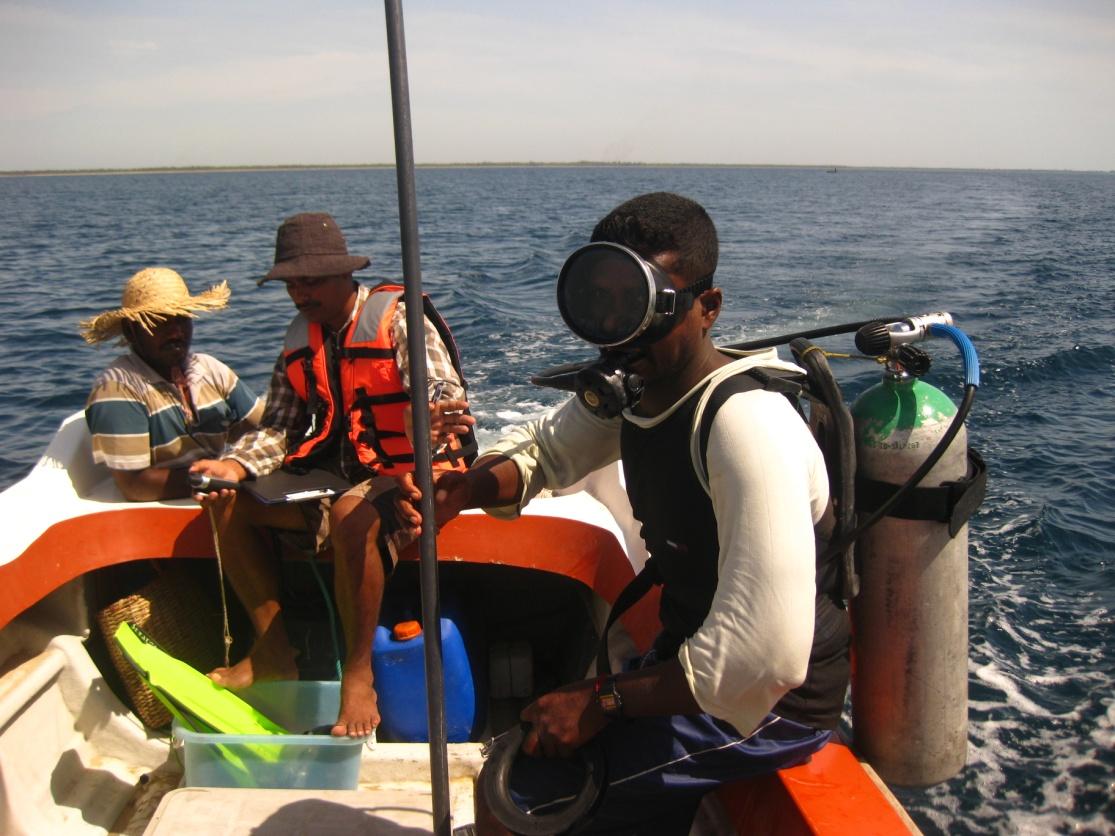
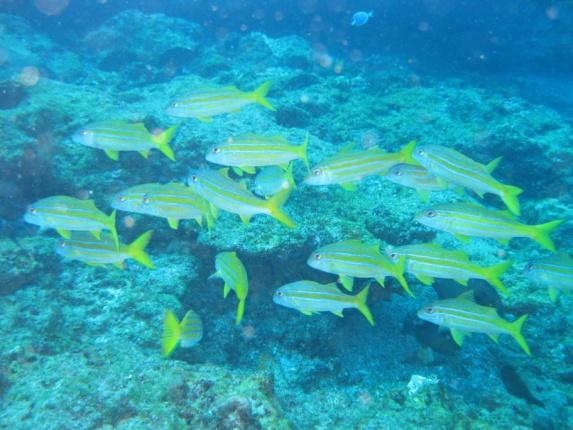
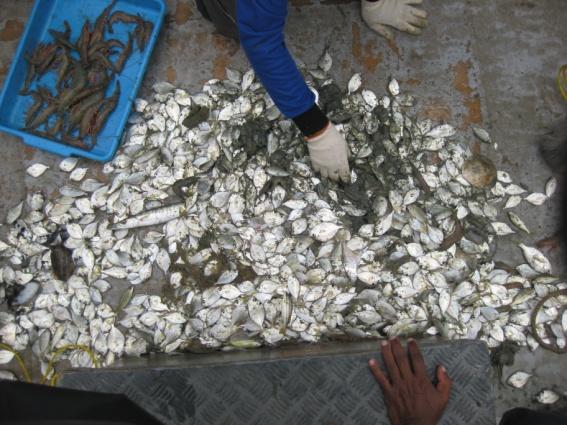
FAO/IFAD/CIDA/NARA Capacity Enhancement for
Marine Resource Surveys and Stock Assessments
for Selected Fisheries/Resources in the Coastal
Waters of Sri Lanka (CENARA project)
Objectives:
Enhancement of NARA's skills for conducting
resource surveys and stock assessments.
Upgrading
NARA's
logistics,
capacities
and
facilities in the conduct of resources surveys and fish
stock assessments.
Strengthen and
maintain the
knowledge base on
coastal fish resources.
Introduction of
participatory
management of
coastal fisheries
resources.
Facilitate the
implementation of
management plans
and monitoring.
Preparing National Plan Of Action for
Sharks (NPOA - Sharks)
With the association
of BOB IGO, two
regional consultation
workshops held
Sri Lanka in March
2008
Maldives in August
2009
Action plan is being prepared and to be
implemented
Action plan will be submitted to BOB- IGO
before February, 2010
Set up the Task Force
Department of Fisheries
National Aquatic Resources Research and
Development Agency (NARA)
Ministry of Fisheries and Aquatic resources
Focal point establishment - Department of Fisheries
Awareness materials in preparation
Stakeholder meetings -Two meetings to be conducted
Update status report on sharks in progress
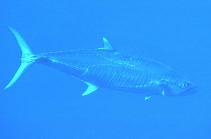
The work done with the Indian Ocean Tuna
Commission (IOTC) for the management of highly
migratory fish stocks like tuna
Offshore fish landings including tuna catches has been
monitoring by NARA since 1994
Data are used to produce National statistics as well as
status of offshore large pelagic fishery resources
Data are also provided to IOTC for conducting stock
assessments
Data collection process was recently reviewed and
improved accordingly
Maintenance
of
ecosystem
health
and
management of pollution
a. Marine Environment Protection Authority (MEPA) of
Ministry of Environment and Natural Resources is the
main Institute responsible for prevention of marine
pollution in Sri Lankan waters
b. Coast Conservation Department (CCD) of the Ministry
of Fisheries and Aquatic Resources is responsible for
managing coastal resources within the coastal zone.
MEPA has already implemented following activities
1.
Formulate and take necessary measures to implement
National Oil Spill Contingency plan in any event of oil
spill.
a. Prepare regulations - Oil Spill Contingency Plan
b. Capacity building - Training Officers
2.
Provide waste reception facility
a.) Provide waste reception service for ships
generated waste through service providers.
b.) Activities relevant to the proper waste reception
facility.
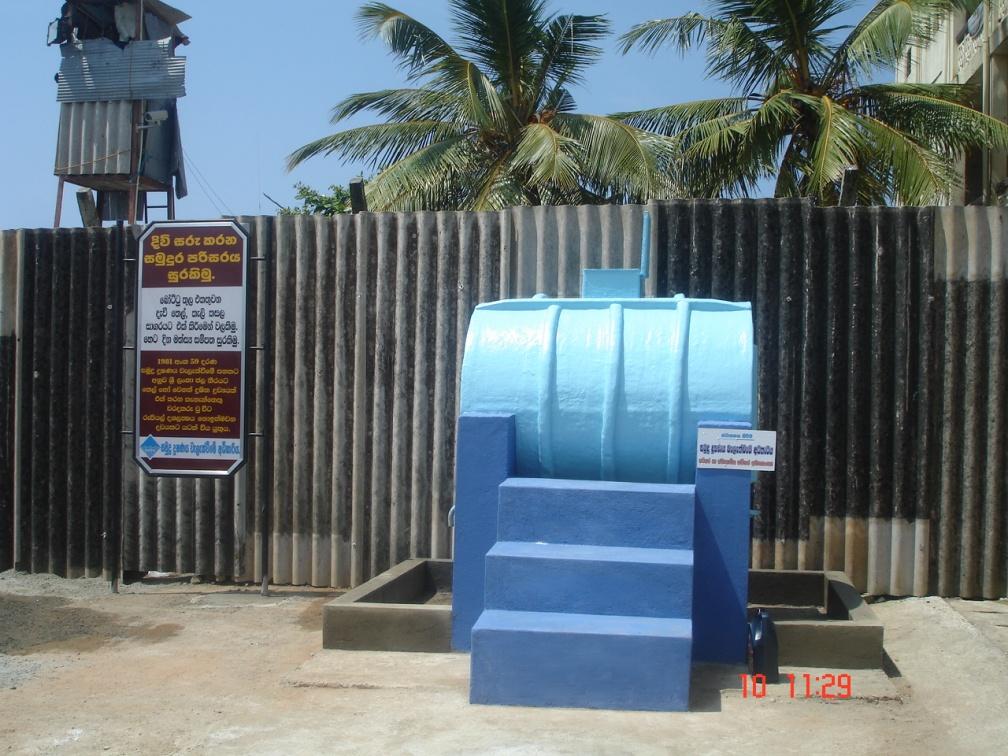
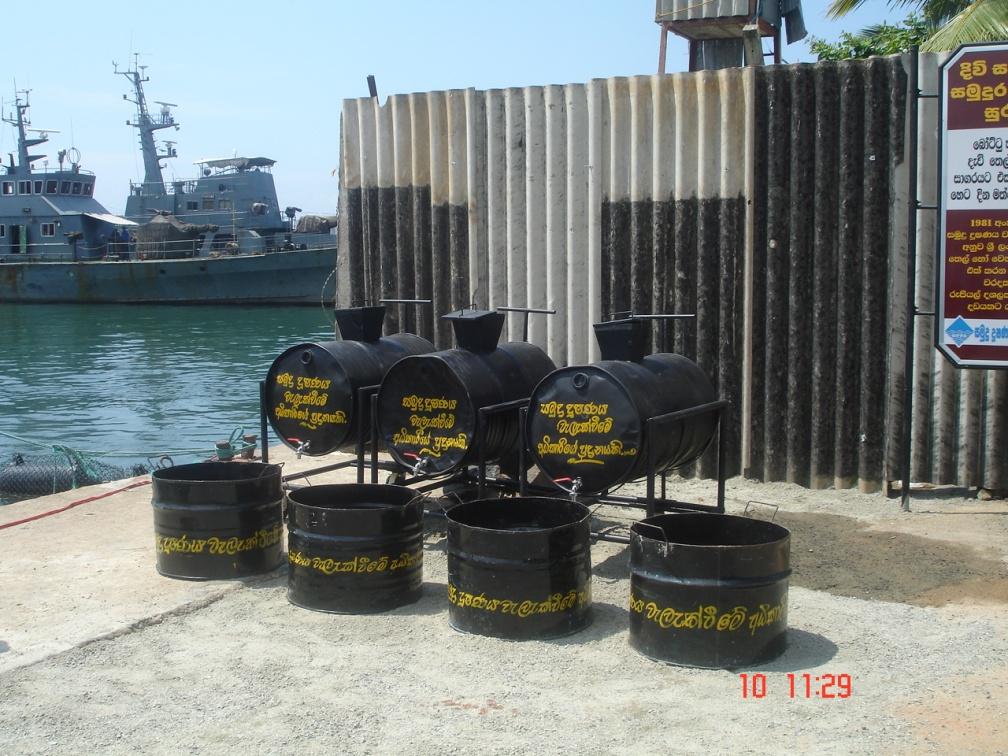
3. Established waste reception facility at fishery harbors.
(i) Waste oil collecting system
(ii) Solid Waste collecting system
4.
Awareness raising through the different
groups of community.
(i)
Establish school marine
groups
(ii)
Aware fishermen & fisher
women's societies.
(iii) Aware government officers &
non government officers
5.
Marine research in collaboration with
other organizations.
Coastal zone management initiatives being
implemented
Formulation and management of coastal zone
management plan
Control of coastal development activities through
permit procedure
Management of coastal habitats such as mangroves,
coral reefs, sea grass beds, salt marshes and sand dunes
by means of regulations, education and awareness, direct
developments and monitoring and evaluation
Control of coastal erosion
Formulation and implementation of special area
management plans for habitat conservation
Other developments
Improve post-harvest fish handling on vessels
and in harbors
Conduct training programmes to improve food
quality
Develop and implement a system for licensing
different types of fishing boats and gears operate in
the sea.
NARA operates an Ocean Observation Centre
(OOC) on 24 hr basis and monitoring ocean
conditions around Sri Lanka. The centre provides
ocean based disasters information and technical
assistance to all relevant authorities.
New proposals
Sri Lanka is willing to joint with the sub-
regional effort for development of fishery
management plan for Indian mackerel.
Fishery resources surveys and stock
assessments of medium pelagics: coastal
tunas
(Bullet
tuna,
Frigate
tuna
and
Kawakawa etc.), Indian scad (Decapterus
russelli) etc.
Fishery resources surveys and stock assessments
of selected resources such as prawns, demersals,
lobsters and sea cucumber in the northern waters of
Sri Lanka
to develop and manage the fisheries:
propose as a bilateral project with India as most of
the
resources
are
sharing
stocks.
Thank you